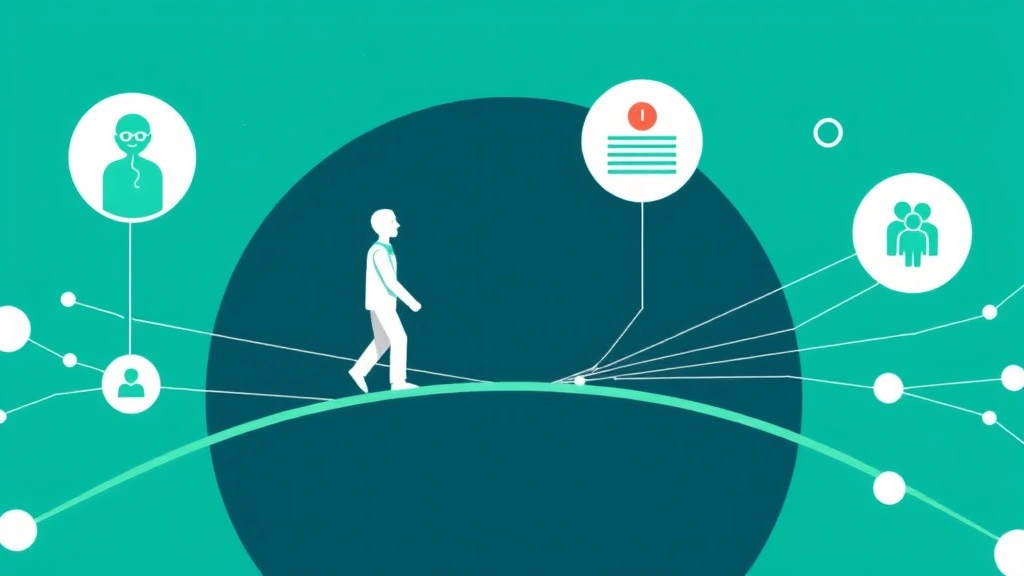
Clinical trials are how medicine advances — and for some patients, they’re a shot at a treatment they can’t get any other way. So here’s a frustrating paradox: at any given moment, thousands of trials are actively recruiting, yet most eligible patients never enroll. The reason, increasingly, isn’t that patients say no. It’s that they never find the trials that could help them.
The scale of the gap
In oncology, only about 7% of U.S. adult cancer patients enroll in trials. Strikingly, an estimated 56% of non-participation is attributed to structural barriers — not unwillingness. The mismatch runs both ways: while patients miss out, more than 20% of oncology trials fail to fill and face early termination for lack of participants. Promising research stalls not for want of interested patients, but because supply and demand can’t find each other.
Why trials are so hard to find
Several structural problems compound each other. First, physicians are the main discovery channel — but a busy doctor can’t realistically search vast, constantly changing trial databases during a short appointment. Second, the public trial registry wasn’t designed for patients; it’s a dense, technical resource. Third — and this one is subtle — trials are often indexed by tumor type, while modern oncology increasingly organizes treatment around molecular targets (a KRAS mutation, say) that can span multiple tumor types. That mismatch systematically buries exactly the cutting-edge, biomarker-driven trials a patient might qualify for. Add a time lag — eligibility criteria shift and slots close while patients navigate screening — and the deck is stacked.
The reframe
The key insight, as one analysis put it, is that “it’s the infrastructure that’s failed them (not the other way around)” — the fix belongs to the index, not the patient. In other words, stop blaming patients for not enrolling and fix the discovery system that hides the options.
What could fix it
Proposed solutions focus on findability: re-indexing trials using free-text descriptions that match how patients actually search, translating dense eligibility criteria into plain language, and organizing trials around molecular targets rather than only tumor type. AI-driven matching tools can help by scanning a patient’s clinical details against thousands of trials in seconds — work a clinician can’t do by hand. Policy is nudging in the same direction: FDA guidance from December 2025 on boosting trial participation and “real-time” trial models aims to lower these barriers.
Why it matters
Closing the discovery gap is a rare win-win-win: patients gain access to potentially life-changing treatments, trials fill faster so research moves quicker, and the whole system wastes less. It’s also a reminder that some of medicine’s biggest problems aren’t scientific but informational — solvable with better tools, plain language and smarter indexing rather than new biology. This reflects analysis and reported statistics, and is not medical advice; ask your care team about trials that may fit you.