GSK is paying $110 million upfront — with up to $1.29 billion in milestones plus royalties — to license a next-generation cancer drug from China’s Hutchmed, betting on an emerging drug class that blends two mechanisms into one molecule.
The asset, HMPL-A830, is what its developers call an antibody-targeted therapy conjugate (ATTC). GSK gains global rights outside Greater China, where Hutchmed keeps them.
What makes an ATTC different
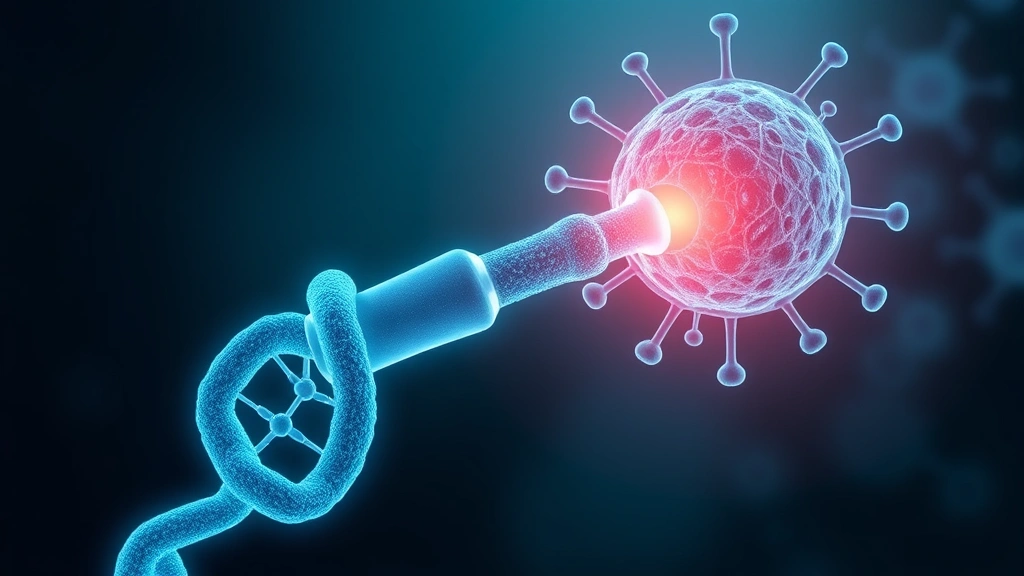
It helps to compare it to the better-known antibody-drug conjugate (ADC). In an ADC, the antibody is essentially a delivery truck — it homes in on a tumor marker and drops off a toxic payload, but the antibody itself isn’t the therapy. In an ATTC, the antibody is itself an active drug. HMPL-A830 pairs an EGFR-inhibiting antibody with a small-molecule KRAS inhibitor, so it blocks two cancer-driving proteins at once and delivers the KRAS blocker directly to EGFR-expressing tumors — aiming for more selectivity and less of the body-wide toxicity seen with oral KRAS drugs.
Why it matters
KRAS was long considered “undruggable,” and EGFR is one of oncology’s most validated targets; hitting both together is a compelling idea. The drug is Phase 1-ready, with Hutchmed running the first trial later in 2026 in lung, colorectal and pancreatic cancers, and GSK taking over development elsewhere. “The dual KRAS-EGFR mechanism of HMPL-A830 has the potential to significantly improve upon current standard of care,” said GSK oncology R&D SVP Hesham Abdullah. As with any Phase 1 asset, the science still has to prove out in patients.