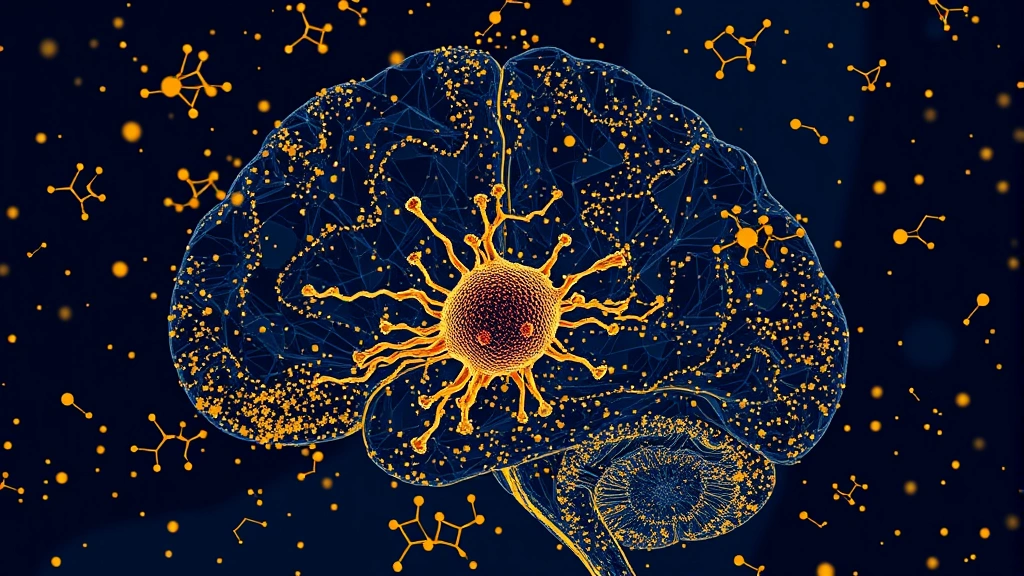
Scientists have mapped a hidden layer of the brain’s biology — tiny proteins long overlooked by standard research — and in the process turned up fresh clues to what goes wrong in Alzheimer’s disease.
What are microproteins?
Microproteins are very small proteins — 150 amino acids or fewer — produced from short stretches of the genome (“small open reading frames”) that traditional protein catalogs have largely ignored. For years they fell through the cracks of standard methods, which were tuned to find bigger proteins. But mounting evidence suggests some play real roles in health and disease — making the parts of the genome once dismissed as junk look far more interesting.
The atlas
Researchers at the Salk Institute built the first microprotein atlas of the human frontal cortex, cataloguing 1,067 previously uncharacterized microproteins that were absent from standard databases. To do it, they analyzed postmortem frontal-cortex samples from nearly 500 brains using a combination of transcriptomics, mass spectrometry, and an AI tool called ShortStop that helps flag microproteins hiding in existing data. The work was published in Nature Aging, led by senior author Alan Saghatelian.
The Alzheimer’s clue
Comparing diseased and healthy brains, the team found Alzheimer’s samples had higher overall microprotein expression — and zeroed in on one telling exception. A 63-amino-acid microprotein made at a gene called MKKS was reduced in Alzheimer’s. When the researchers deleted the gene producing it in microglia — the brain’s resident immune and housekeeping cells — the cells’ mitochondrial respiration became impaired. In plain terms, losing this microprotein appeared to sap the microglia’s energy supply, which could compromise their ability to keep the brain clean and healthy — a plausible contributor to neurodegeneration.
Why it matters
Alzheimer’s research has increasingly focused on microglia and brain energy metabolism, and this study adds a new class of molecules to investigate. The publicly available atlas is arguably the bigger contribution: it gives scientists a map to systematically explore microproteins across many tissues and diseases, potentially revealing overlooked drug targets or biomarkers.
The caveats
The authors are refreshingly cautious. “Not every microprotein identified should be assumed functional,” Saghatelian noted — some detected microproteins may simply be byproducts of disrupted gene activity rather than active players. The MKKS finding is a compelling lead, but a lead nonetheless: it shows an association and a plausible mechanism in cells, not a proven cause of Alzheimer’s or a treatment. Still, mapping an entire hidden layer of brain biology is the kind of foundational work that opens new questions. Not medical advice.