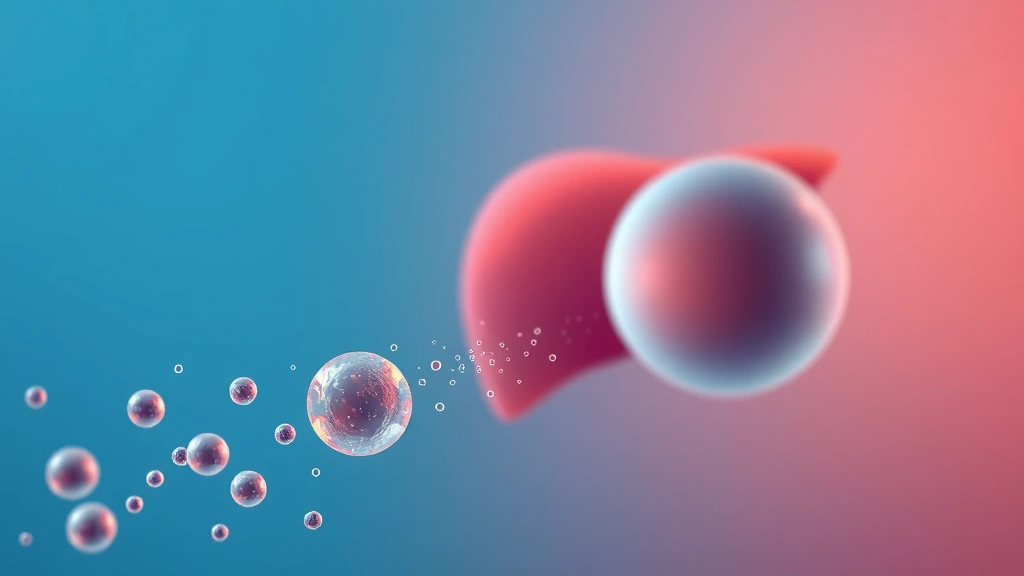
A newly formed biotech, ai3Bio, has launched with $48 million in Series A funding and an unusual take on one of the hottest ideas in immunology: the “immune reset.” Where most companies in the field try to wipe out antibody-producing B cells, ai3Bio aims to eliminate a specific set of T cells that drive inflammation, starting with rare autoimmune diseases of the liver.
Where the company came from
ai3Bio was created by merging two startups. Corner Therapeutics brought expertise in lipid nanoparticles, the fat bubbles used to deliver mRNA. Novasenta, launched by the Pittsburgh health system UPMC in 2021, brought an AI-based drug discovery platform that had identified an antibody against a target called CD161. The financing was led by Ziff Capital Partners and UPMC Enterprises, the two companies’ earlier backers. The chief executive is Steven Altschuler; the scientific co-founder is Harvard immunologist Jonathan Kagan.
The target: Th17 cells
Th17 cells are a type of helper T cell that produces the inflammatory messenger IL-17. They help defend against certain infections, but when misdirected they drive a range of autoimmune and inflammatory conditions. Drugs that block IL-17, such as Cosentyx, Taltz and Bimzelx, are already major treatments for psoriasis and related diseases, but they mop up the messenger rather than deal with the cells producing it, so patients need to keep taking them indefinitely.
How the treatment is meant to work
ai3Bio’s lead program combines three elements. An antibody against CD161, which is abundant on disease-causing Th17 cells, steers a lipid nanoparticle to those cells. Inside is mRNA carrying instructions that switch on cGAS-STING, an internal alarm pathway, pushing the cell to self-destruct. “We are effectively delivering instructions to the cell to kill itself,” the company says. According to Kagan, the approach both depletes inflammatory T cells and prevents other helper T cells from becoming Th17 cells. No approved drug yet works through the cGAS-STING pathway.
What “reset” means here
The immune-reset idea took off after CAR-T cell therapy, borrowed from cancer, put some patients with severe lupus into drug-free remission by deeply depleting B cells (see our CAR-T explainer). Companies such as Cabaletta Bio and Kyverna are pursuing that route; others use T-cell engagers, as in Novartis’s recent $7.8 billion deal. All of these focus on B cells.
ai3Bio argues that for diseases driven by T cells, removing B cells misses the point. It also presents its approach as more selective: by deleting only CD161-bearing inflammatory cells, it aims to preserve the rest of the immune system, including protection from past vaccines and infections. It would be an off-the-shelf injection with no cell manufacturing and no preparatory chemotherapy. The company describes its drugs as “precision therapies” rather than a broad reset.
Why start with liver disease
The first targets are autoimmune liver diseases: primary sclerosing cholangitis, primary biliary cholangitis and autoimmune hepatitis. These conditions can progress to cirrhosis and liver failure, and options are limited; primary sclerosing cholangitis has no approved drug at all. There is also a practical logic: lipid nanoparticles naturally accumulate in the liver, so it is the easiest organ to reach with this kind of delivery. Starting with rare diseases that have few or no treatments is also a common strategy for small biotechs: trials can be smaller, regulators offer incentives, and a clear result is easier to demonstrate than in a crowded field such as psoriasis.
How early this is
Very early. The evidence so far is preclinical. In monkeys, the company reports “deep depletion” of the target cells in lymph nodes and the spleen. It hopes to begin its first human study next year and to bring several programs into the clinic within two years. The $48 million is expected to last into the second quarter of 2027, so it will need to raise more money before it has meaningful human data.
The open questions
Several things are unknown. Will the depletion be durable in people, or will Th17 cells simply regrow? CD161 is found on other immune cells too, including some that protect the gut and airways, so how selective the treatment really is will matter for safety. Deliberately activating an inflammatory alarm pathway inside cells could itself cause side effects. And Th17 cells have a normal job fighting fungal and bacterial infections, which is why IL-17-blocking drugs raise the risk of yeast infections.
Why it matters
Most startups never get a drug approved, and ai3Bio is at the beginning of that road. But its launch illustrates how quickly the immune-reset concept is broadening: from engineered cells to injectable mRNA, and from B cells to T cells. For patients, the promise is the same across all of them — a short treatment that produces lasting remission instead of lifelong immune suppression. Whether any of these approaches deliver that safely is the central question in autoimmune medicine over the next few years. This is business news, not investment or medical advice.