How modern cancer treatment works
Cancer care usually combines several approaches — surgery, radiation and drug therapy — chosen according to the cancer’s type, stage and, increasingly, its genetic make-up. Drug options have multiplied over the past two decades, and many patients now receive treatments that did not exist ten years ago.
The main types of cancer drugs
- Chemotherapy — kills rapidly dividing cells; still a backbone of many regimens.
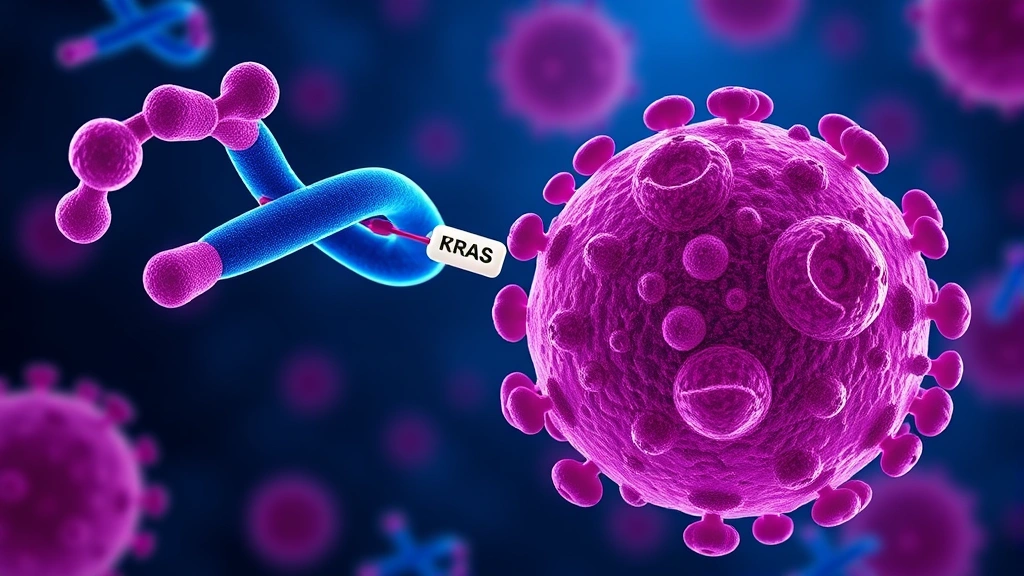
- Targeted therapy — blocks a specific mutation or protein driving the tumour (for example EGFR, HER2, KRAS or ALK). It depends on testing the tumour first.
- Hormone therapy — for hormone-driven cancers such as ER-positive breast cancer and prostate cancer.
- Immunotherapy — checkpoint inhibitors (PD-1, PD-L1, CTLA-4) release the “brakes” the tumour puts on the immune system.
- Cell therapy — CAR-T engineers a patient’s own T cells to attack cancer; approved mainly for blood cancers so far.
- Antibody-drug conjugates (ADCs) — antibodies that carry a potent payload directly to cancer cells.
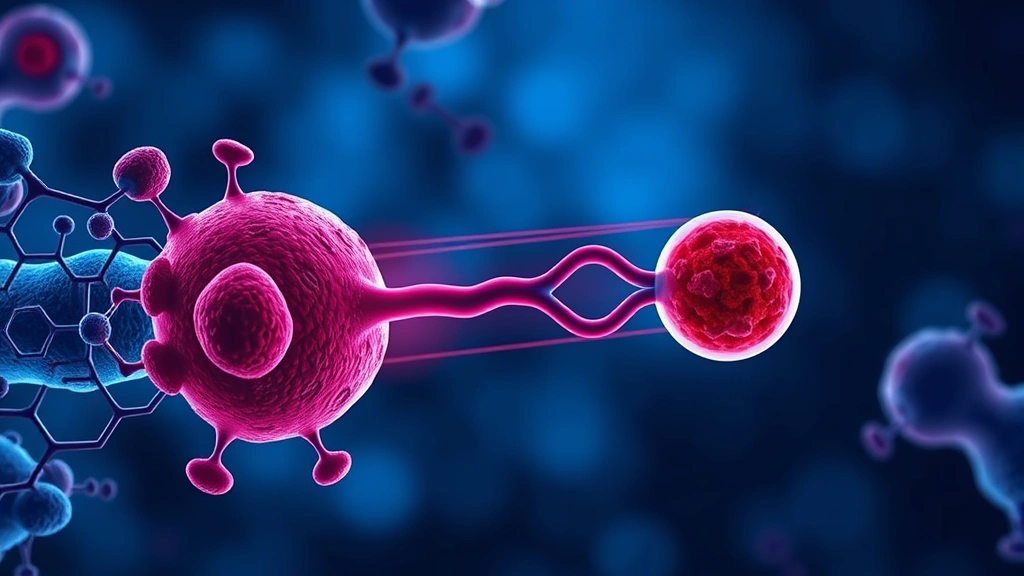
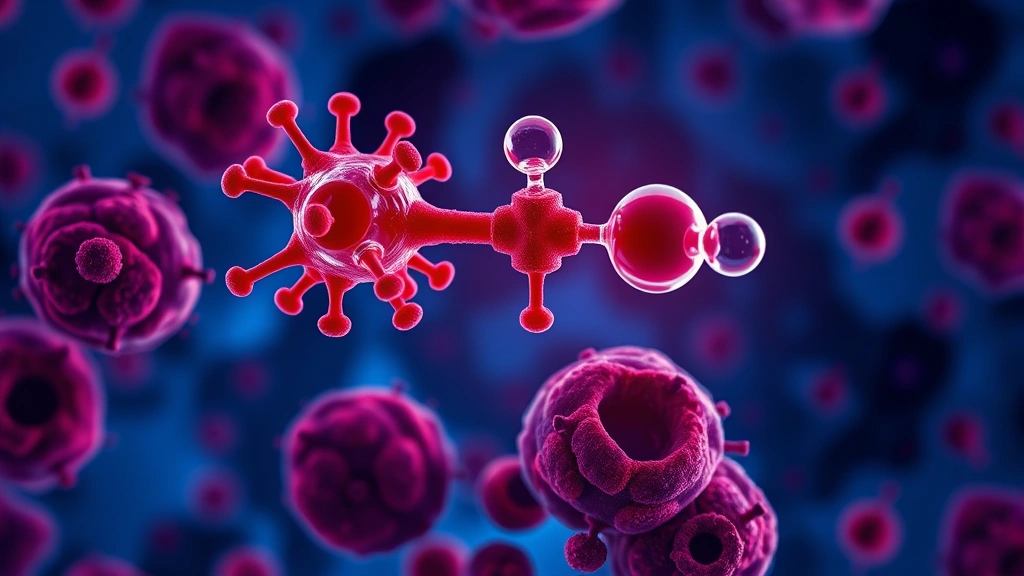
- Bispecific antibodies and T-cell engagers — molecules that physically link immune cells to tumour cells.
- Radioligand therapy — targeted radioactive drugs that deliver radiation from inside the body.
Precision oncology
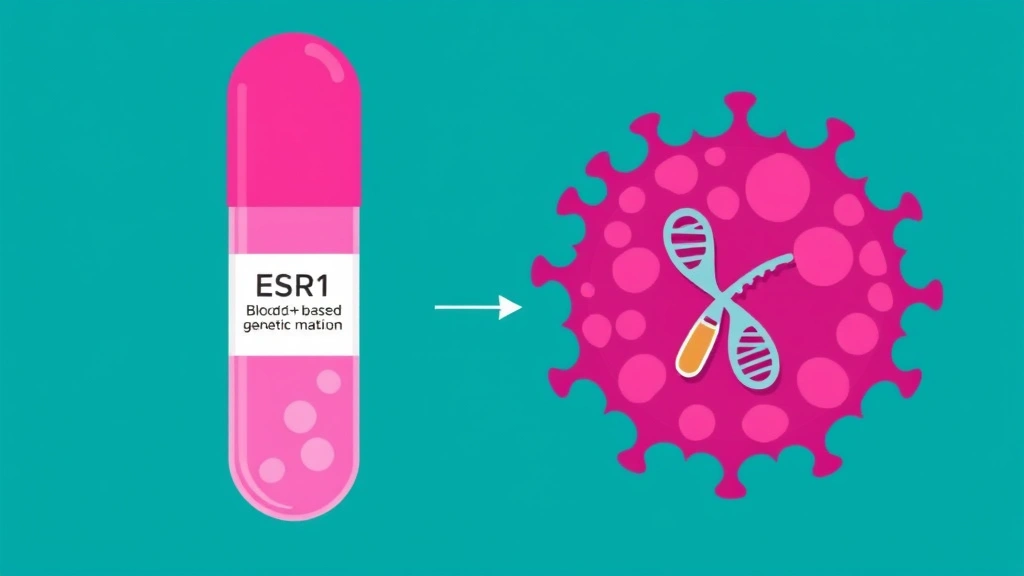
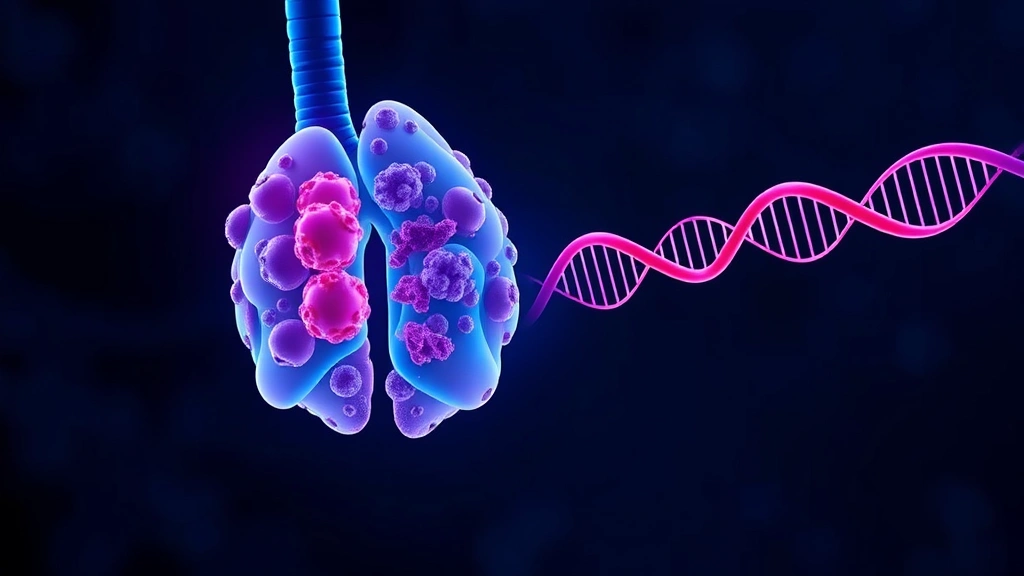
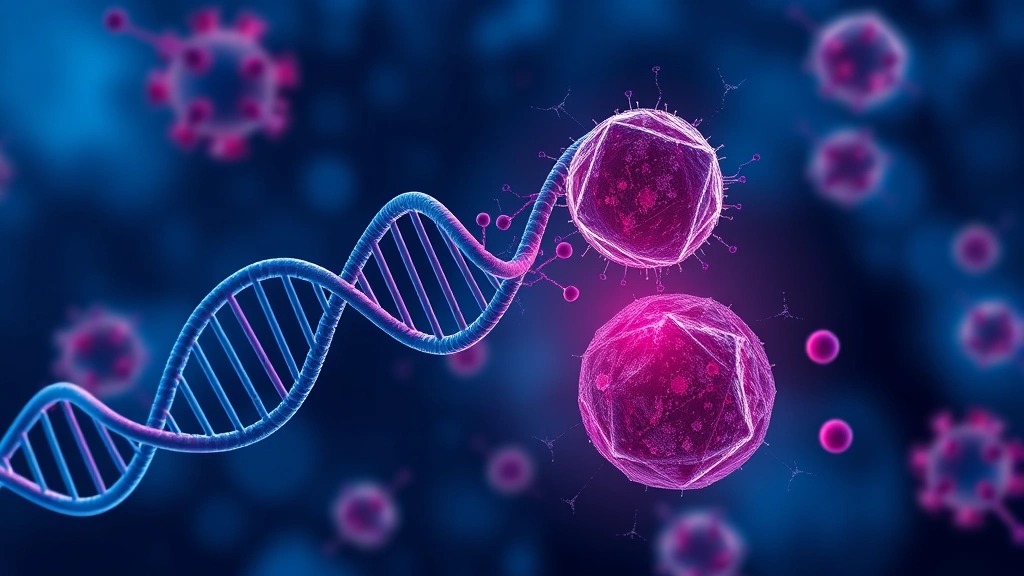
Testing a tumour’s DNA — from tissue or from a blood sample (“liquid biopsy”) — increasingly decides which drug a patient receives. Some approvals now apply only to cancers carrying a particular mutation, and come with a companion diagnostic test.
Screening and early detection
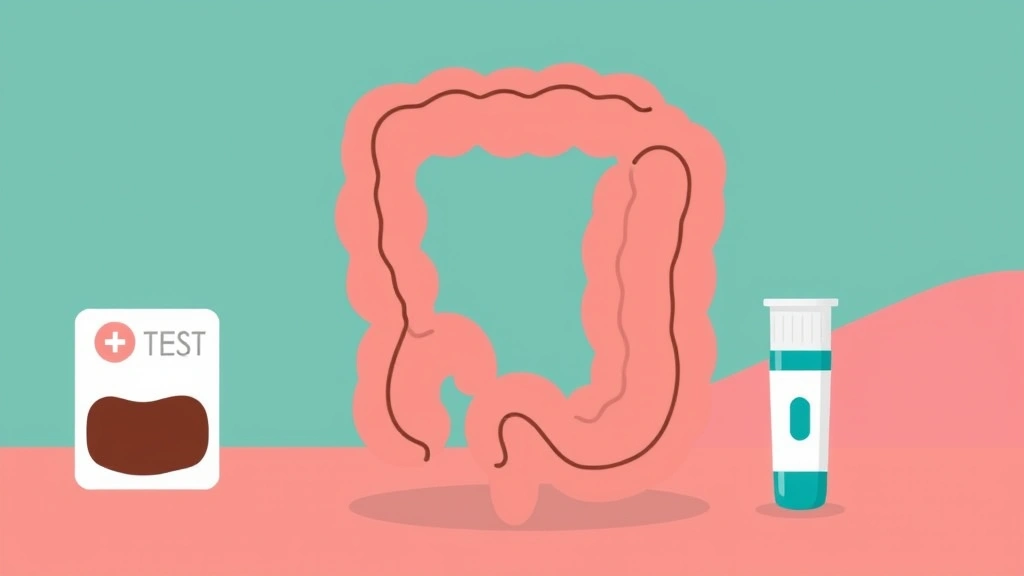
Cancers caught early are generally easier to treat. Established screening includes mammography, colonoscopy or stool tests, cervical (HPV) testing and low-dose CT for certain people at high risk of lung cancer. Multi-cancer blood tests are being evaluated but are not yet a substitute for standard screening.
How to read trial results
Overall survival is the gold standard. Progression-free survival measures how long the cancer is held in check, and response rate measures how many tumours shrink. Drugs approved on early measures under accelerated approval usually need a confirmatory trial. Below is every RxWyre oncology article, newest first — general information, not medical advice.