A prescription form of vitamin D may help chemotherapy reach pancreatic cancer, one of the hardest cancers to treat. In a small randomized trial published in Nature Cancer in October 2026, adding paricalcitol to standard chemotherapy produced tumor shrinkage in 42% of patients, compared with 9% of those given chemotherapy and placebo. The work builds on more than a decade of research at the Salk Institute, with the clinical trial led at Dana-Farber Cancer Institute.
The results
The trial enrolled 36 patients with previously untreated metastatic pancreatic cancer. All received the standard chemotherapy combination of gemcitabine and nab-paclitaxel; 24 also received paricalcitol, by mouth or by infusion, and 12 received placebo.
- Partial responses (meaningful tumor shrinkage): 10 of 24 patients (42%) with paricalcitol versus 1 of 12 (9%) with placebo.
- Disease-free at one year: five patients in the paricalcitol group, none in the placebo group.
- Patients whose tumors had high levels of the vitamin D receptor had the longest survival on paricalcitol.
Why pancreatic cancer resists treatment
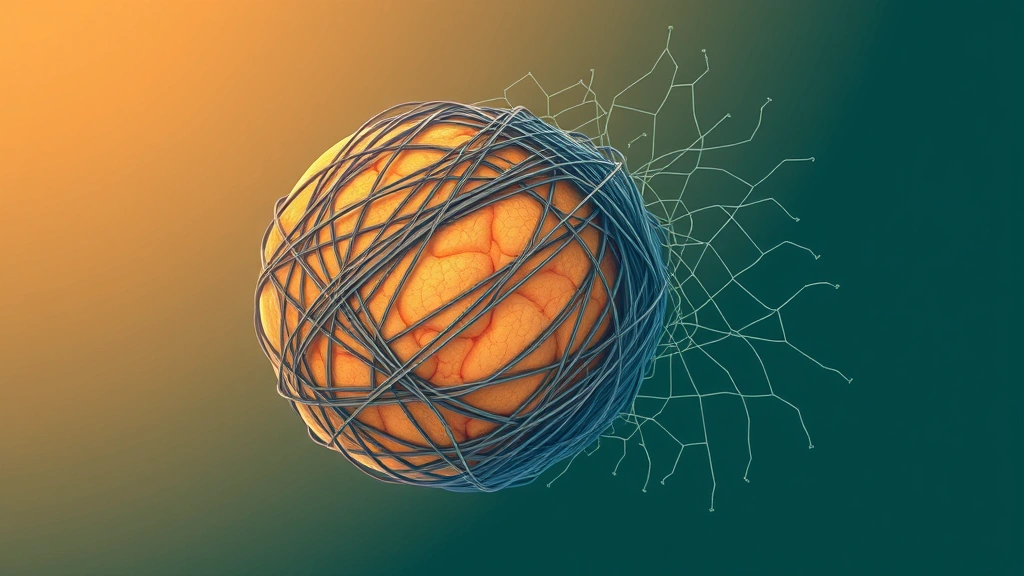
Pancreatic cancer has one of the lowest survival rates of any major cancer; only around one in eight patients is alive five years after diagnosis. Part of the reason is the tumor’s surroundings. Pancreatic tumors are encased in a dense, fibrous tissue called stroma, built by cells known as fibroblasts (in the pancreas, stellate cells). That scar-like shell compresses blood vessels, blocks chemotherapy from getting in, and keeps the immune system’s T cells out. In many tumors, the stroma makes up most of the mass. The disease is also usually found late, because early tumors rarely cause symptoms and there is no routine screening test; most patients, like those in this trial, are diagnosed after the cancer has already spread, when surgery is no longer an option and chemotherapy typically extends life by months rather than years.
What the vitamin D drug does
The idea comes from the laboratory of Ronald Evans at Salk, which showed years ago that the fibroblasts around pancreatic tumors carry the vitamin D receptor, and that switching it on returns these cells to a calmer, less active state. Paricalcitol is a synthetic compound that activates that receptor. In tumor samples from the trial, it reduced the activation of fibroblasts without reducing their number, and more T cells were found inside the tumors. As Evans put it, using vitamin D analogs to engage the body’s own system for damping down fibrosis and inflammation can “enable other therapies to do their job.”
Reprogramming, not destroying
That distinction matters. Earlier attempts to attack pancreatic tumors by destroying the stroma sometimes backfired, with tumors growing more aggressively once their surroundings were stripped away. The approach here is gentler: the supporting cells stay in place but are nudged back toward normal behavior. It is an example of a wider shift in cancer research toward treating the tumor microenvironment — the neighborhood a cancer lives in — alongside the cancer cells themselves.
An old drug in a new role
Paricalcitol is already FDA-approved, used for many years to treat overactive parathyroid glands in people with kidney disease. It is inexpensive and its side effects are well understood, which would make it far easier to adopt than a new drug if larger trials confirm a benefit. The main risk is raised blood calcium: five of the 12 patients taking the oral form developed it, and it was managed by lowering the dose. High calcium can cause nausea, confusion and kidney problems, so blood levels would need regular checks in any wider use, which is routine for cancer patients already having frequent blood tests.
This is not about vitamin D supplements
The study does not show that over-the-counter vitamin D helps prevent or treat pancreatic cancer. Paricalcitol is a potent prescription drug given at doses chosen to activate the receptor strongly, under monitoring. Taking large amounts of ordinary vitamin D will not reproduce the effect and can cause dangerous calcium levels. People with cancer should not add supplements without discussing them with their oncology team.
The caveats
The trial was small, with only 12 patients in the comparison group, and it was a preliminary “run-in” study not designed to show whether patients live longer. Response rates in small trials often shrink in larger ones, and earlier studies of vitamin D analogs in pancreatic cancer have produced mixed results. The link between vitamin D receptor levels and benefit is intriguing but needs to be tested prospectively.
What comes next
The researchers say larger trials are needed to test directly whether paricalcitol extends survival, and whether measuring vitamin D receptor levels in a tumor can predict who will benefit. Because calming the stroma also let more T cells into tumors, combining the approach with immunotherapy, which has largely failed in pancreatic cancer, is another obvious direction. For patients, this is a promising lead rather than a new standard of care; those interested can ask their oncologist about clinical trials. This is research news, not medical advice.