What counts as a rare disease?
In the US a disease is “rare” if it affects fewer than 200,000 people. Individually rare, together they are common: there are more than 7,000 known rare diseases, most of them genetic, many beginning in childhood — and only a small fraction have an approved treatment.
How gene therapy works
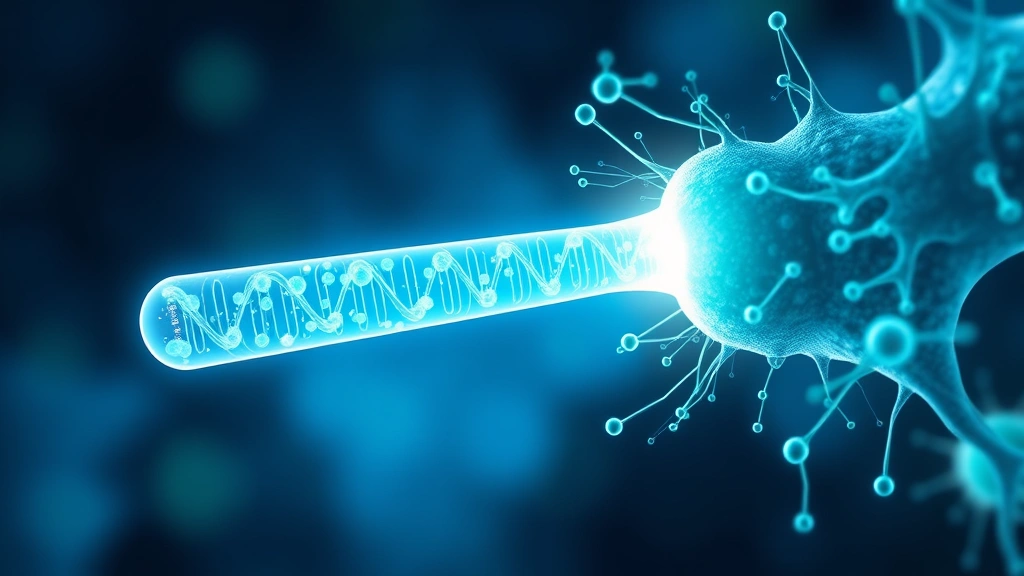
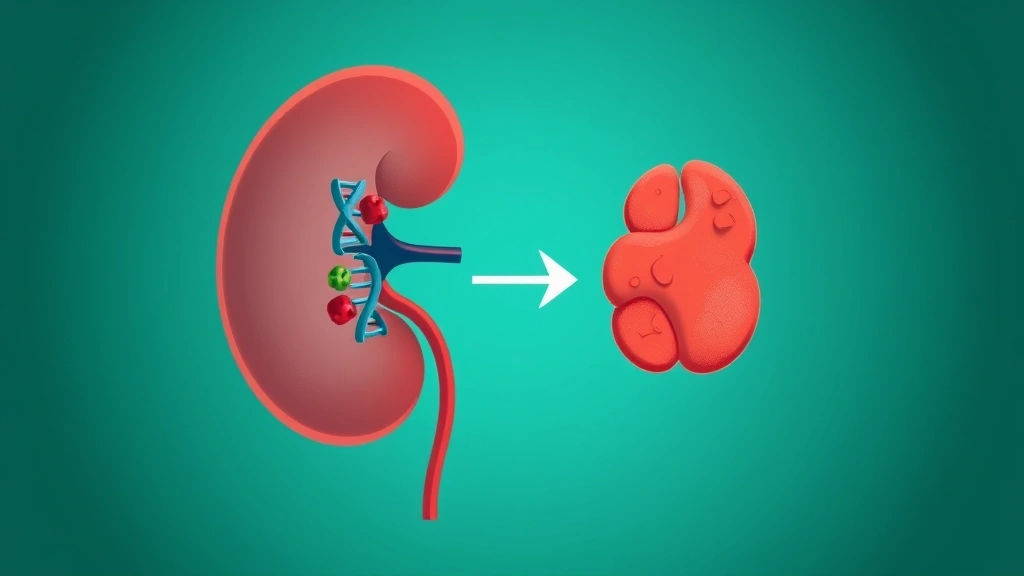
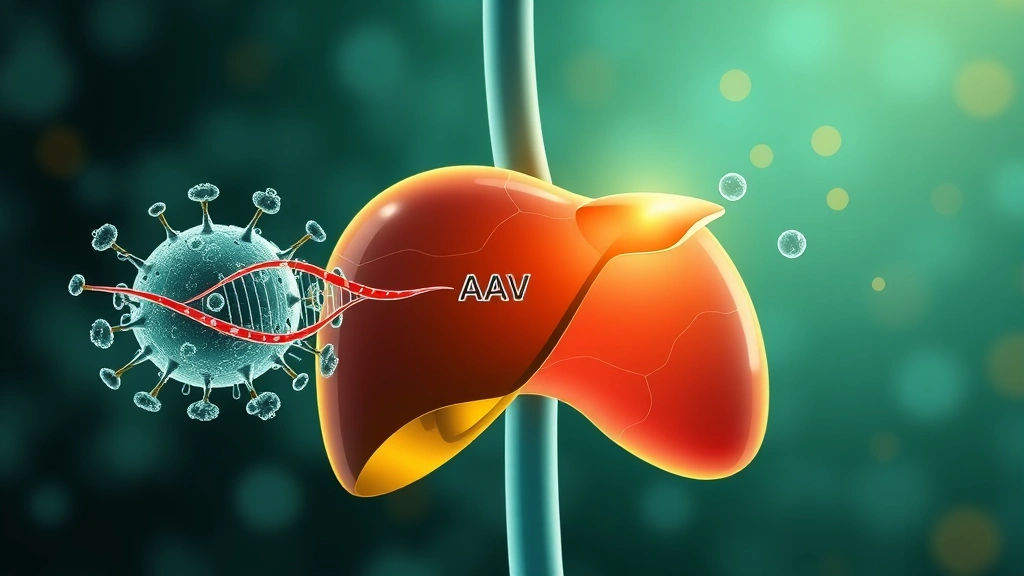
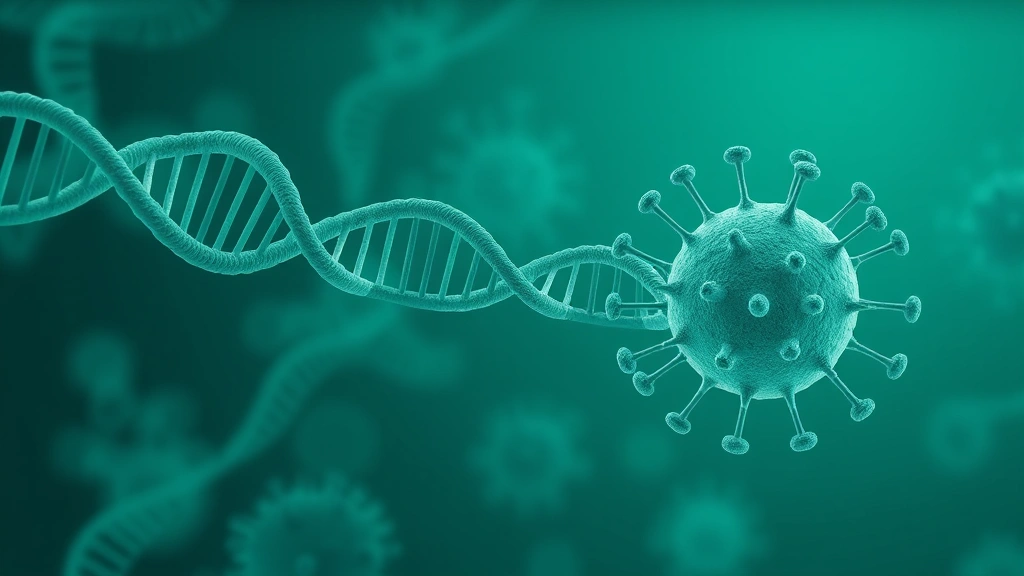
- Gene addition — a harmless viral “vector” (often AAV) delivers a working copy of a faulty gene. Examples include Zolgensma for spinal muscular atrophy and Luxturna for an inherited retinal disease.
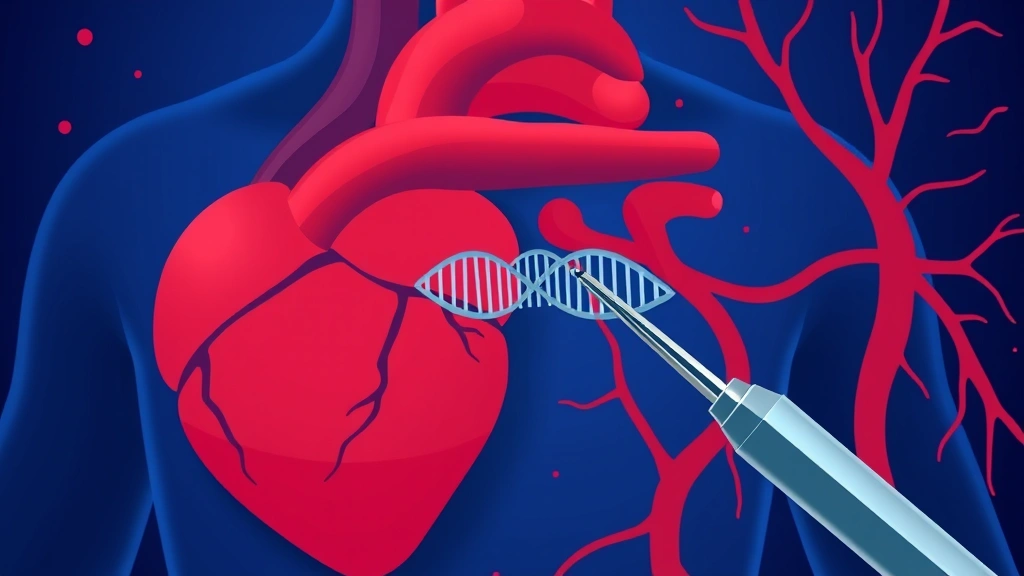
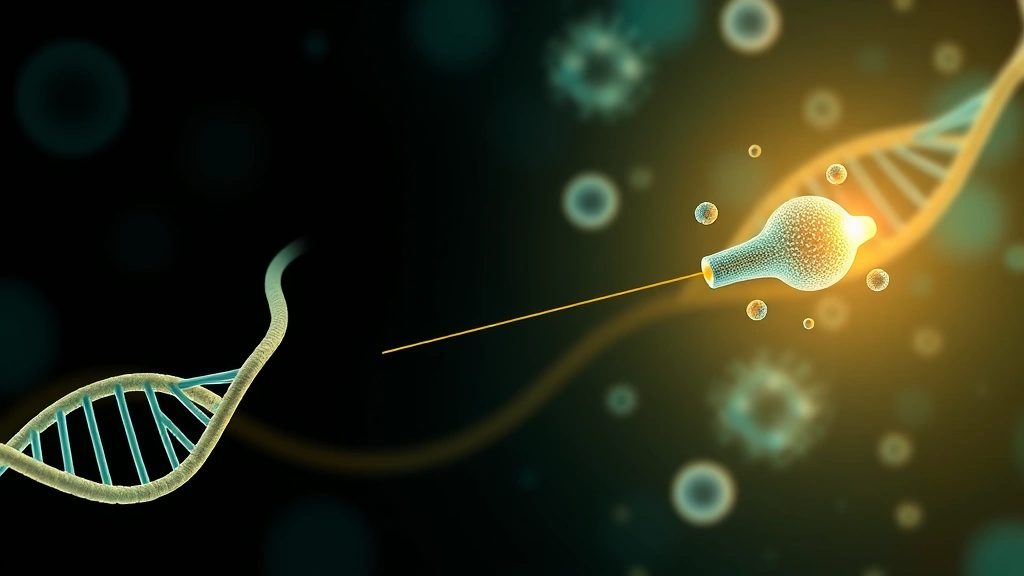
- Gene editing — tools such as CRISPR change the DNA itself. Casgevy, approved for sickle cell disease and beta thalassaemia, was the first CRISPR-based medicine.
- RNA-targeting drugs — antisense oligonucleotides and siRNA adjust how genes are expressed without permanently changing DNA (nusinersen for SMA is one example).
Some therapies are given ex vivo (cells are edited outside the body and returned), others in vivo (the edit happens inside the body).
The hard parts
Gene therapies face real obstacles: immune reactions to viral vectors, liver and other toxicities, uncertainty about how long effects last, complex manufacturing, and price — one-time treatments can cost several million dollars, straining insurance systems built around recurring payments.
Why companies pursue rare diseases
Regulators encourage the work through orphan-drug designation, rare pediatric disease priority review vouchers and accelerated approval pathways. Below is every RxWyre article on gene therapy and rare disease, newest first — general information, not medical advice.