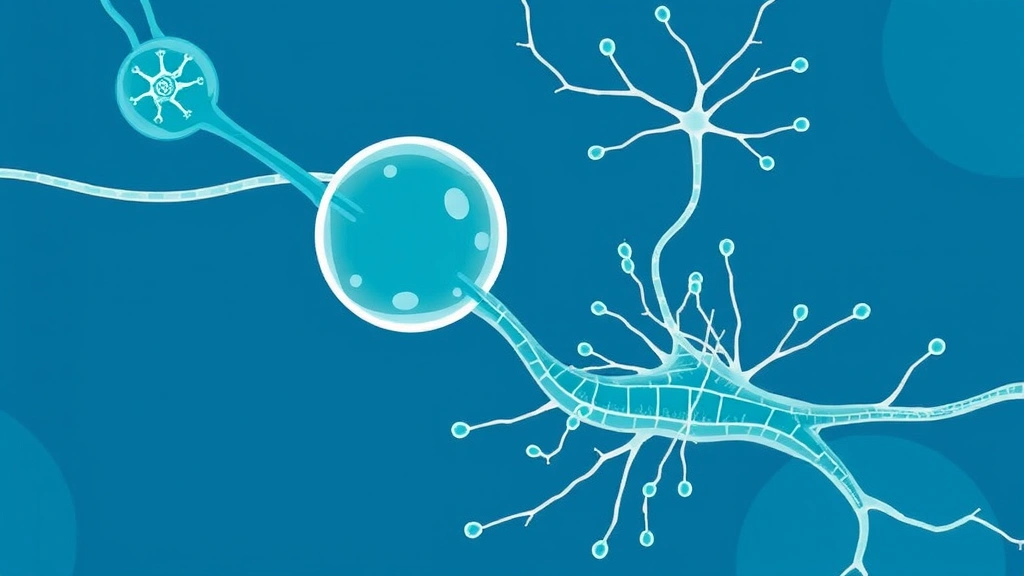
The U.S. Food and Drug Administration has approved Isembyld (apitegromab) from Scholar Rock — the first and only muscle-targeted treatment for spinal muscular atrophy (SMA). It is a milestone that opens a genuinely new front in a disease whose treatment has, until now, been fought almost entirely at the level of the nerve.
Cleared on September 11, 2026, Isembyld is indicated for adults and children aged two and older who are already receiving an SMN2-targeted therapy — the existing backbone of SMA care. It is administered as a monthly intravenous infusion, and is meant to be used in addition to, not instead of, those foundational drugs.
Understanding the disease
Spinal muscular atrophy is a rare inherited disorder — occurring in roughly 1 in 10,000 births — caused by a loss of the SMN1 gene, which normally produces “survival motor neuron” (SMN) protein. Without enough SMN protein, the motor neurons that control voluntary movement gradually die, leading to progressive muscle weakness and wasting. In its most severe infantile form it was, for generations, the leading genetic cause of death in infants. Humans also carry a nearly identical backup gene, SMN2, but it produces only a small amount of functional protein — and how many SMN2 copies a person has strongly influences disease severity.
How the treatment landscape got here
The past decade rewrote the SMA story. Three transformative therapies arrived in quick succession, all working at the nerve or gene level to raise SMN protein: nusinersen (Spinraza), an antisense drug that coaxes SMN2 to make more functional protein; risdiplam (Evrysdi), an oral small molecule with a similar aim; and onasemnogene abeparvovec (Zolgensma), a one-time gene therapy that delivers a working SMN1 gene. Together they turned a once-fatal diagnosis into a manageable chronic condition for many patients — especially when started early.
But raising SMN protein does not fully undo the damage. Many patients, particularly those diagnosed later or living with established weakness, retain significant muscle deficits that the SMN-focused drugs alone do not restore. That gap is precisely what apitegromab is designed to address.
How Isembyld works
Apitegromab is a myostatin inhibitor. Myostatin is a naturally occurring protein that acts as a brake on muscle growth — it tells muscles to stop getting bigger. By binding and neutralizing the precursor forms of myostatin, apitegromab releases that brake, aiming to preserve and build muscle mass and strength directly. In effect, the SMN-targeted drugs work upstream to keep motor neurons alive and signaling, while apitegromab works downstream on the muscle those neurons drive. It is the first therapy to demonstrate improved motor function as an add-on in patients already stabilized on SMN2-targeted treatment — evidence that the two mechanisms are complementary rather than redundant.
The evidence — and a safety signal to watch
Approval rested on the SAPPHIRE study. A striking marker of patient experience: 98% of participants elected to continue into the ONYX long-term extension, a strong signal that patients and families perceived benefit. The most common adverse reactions were infections (notably upper-respiratory), vomiting, cough, headache and hypersensitivity.
One finding warrants attention. Fractures occurred in about 9% of patients on the 10 mg/kg dose, versus 2% on placebo. In a population where bone health is already fragile because of reduced mobility, that imbalance is worth monitoring, and clinicians will weigh it in dosing decisions. It is a reminder that even a well-tolerated, disease-modifying drug arrives with trade-offs to manage.
Why it matters
For a disease defined by muscle loss, a therapy that targets muscle head-on is conceptually powerful — and its add-on design means it can slot into existing regimens rather than forcing families to choose between approaches. Practically, it gives neurologists a new lever for patients who have plateaued. Questions still to answer include long-term durability, how much functional gain translates into daily-life independence, and real-world uptake given the cost and infusion burden of yet another chronic therapy. But as the first entry in a new mechanistic class for SMA, Isembyld broadens what “treatment” can mean for this community. This is regulatory news, not medical advice; treatment decisions belong with a specialist.