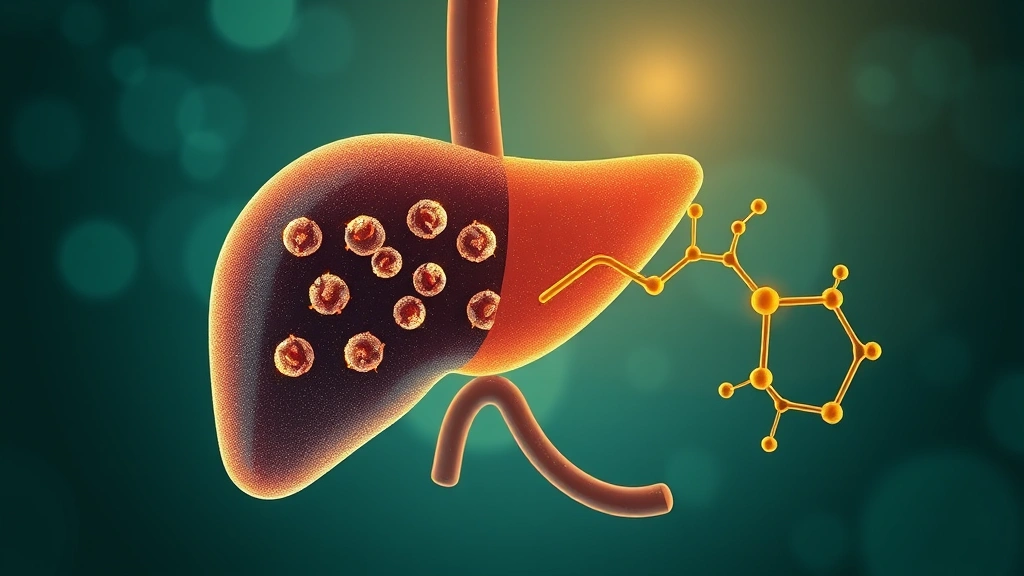
GSK has secured a landmark approval in Japan for Hibsago (bepirovirsen) — described as the first-ever regulatory approval of a “functional cure” for chronic hepatitis B.
What a functional cure means
A functional cure means the virus is durably controlled — suppressed to undetectable levels without ongoing therapy — even though it is not fully eradicated.
The distinction from complete eradication is not semantic. Hepatitis B establishes a stable form of its genetic material inside liver cell nuclei that current medicines cannot remove. That reservoir persists indefinitely, which is why the virus can reactivate if immune control is lost.
A functional cure accepts the reservoir remains while achieving what matters clinically: no detectable virus, no ongoing liver damage, and no need for continued treatment. It is the same conceptual framing used in HIV research, and it exists because complete eradication has proven out of reach.
Why the existing bar is so low
Standard nucleos(t)ide analogue treatments achieve functional cure in only about 1% of patients, and usually must be taken indefinitely.
Those drugs work well at what they do — suppressing viral replication and preventing liver damage while taken. But they suppress rather than resolve, so stopping generally allows the virus to rebound, sometimes with a dangerous flare of liver inflammation.
The practical consequence is lifelong therapy for a condition affecting hundreds of millions worldwide, with the costs, monitoring and adherence demands that implies — in populations frequently least able to sustain them.
How Hibsago works
Developed with Ionis Pharmaceuticals, Hibsago is an antisense oligonucleotide that targets and suppresses the virus’s genetic material, and also acts to stimulate an immune response against hepatitis B.
The dual action addresses a specific problem. Chronic hepatitis B involves an exhausted immune response — the virus produces enormous quantities of surface protein that appear to overwhelm and blunt immune recognition. Simply suppressing replication does not restore that response, which is part of why nucleos(t)ide analogues rarely produce durable off-treatment control.
Reducing viral protein output while stimulating immunity attacks both halves: lowering the burden that exhausts the immune system, and prompting it to re-engage — so that when treatment stops, the patient’s own immunity can hold the line.
The approval
Japan’s Ministry of Health, Labour and Welfare approved it in August 2026 for Japanese adults with chronic hepatitis B who have had at least six months of prior nucleos(t)ide analogue treatment and meet defined viral-marker criteria.
The restrictions are informative. This is positioned as an add-on for patients already stably treated, not as initial therapy, and the viral-marker criteria reflect that response depends on where a patient sits in the disease — particularly on surface protein levels, which predict who is likely to clear.
The data
In the Phase 3 B-Well programme, 19% of patients achieved a functional cure response after six months, versus 0% on placebo.
Two ways to read 19%. It means 81% did not achieve functional cure, so most patients treated will continue on existing therapy — a modest absolute success rate.
Against roughly 1% with existing treatment, it is a nineteen-fold improvement, and the 0% placebo figure establishes that spontaneous functional cure over six months is essentially nonexistent. In a disease where the outcome had been unattainable, moving from negligible to one in five is a genuine change in what is possible.
Why the regulatory precedent matters
Beyond the drug, this establishes functional cure as a real regulatory category.
That has consequences for everyone developing hepatitis B therapies. An endpoint a regulator has accepted becomes the target subsequent programmes are designed around, and it clarifies what evidence a filing requires. Multiple companies are pursuing hepatitis B cure strategies, and having a defined, approvable endpoint removes a substantial source of development uncertainty.
What remains open
Analysts at GlobalData project Hibsago could approach blockbuster status, nearing $926 million in global sales by 2034.
Realising that requires approvals beyond Japan, and the population matters: hepatitis B is concentrated in the Western Pacific and sub-Saharan Africa, and a therapy priced for wealthy markets addresses a minority of those affected.
Why hepatitis B is worth this effort
The scale of the disease explains why a 19% response rate justifies a development programme of this size.
Chronic hepatitis B affects hundreds of millions of people worldwide, and its consequences accumulate silently over decades. Persistent infection drives progressive liver scarring and is among the leading causes of liver cancer globally — a cancer with poor survival that frequently presents late because the underlying liver disease produces few symptoms until it is advanced.
Vaccination has substantially reduced new infections in countries with established immunisation programmes, but it does nothing for those already chronically infected, who acquired the virus before vaccines were available or in settings where coverage was incomplete. That population will be living with the infection for decades to come.
Converting even a fraction of them from lifelong therapy to durable off-treatment control changes both individual outcomes and the economics of managing the disease at population scale — which is why one in five is a meaningful number rather than a disappointing one.
Durability is the other question. Functional cure is defined by control persisting off treatment, and six-month response data cannot establish how many patients remain controlled at five or ten years — which is what the term ultimately promises. Regulatory news, not medical advice.