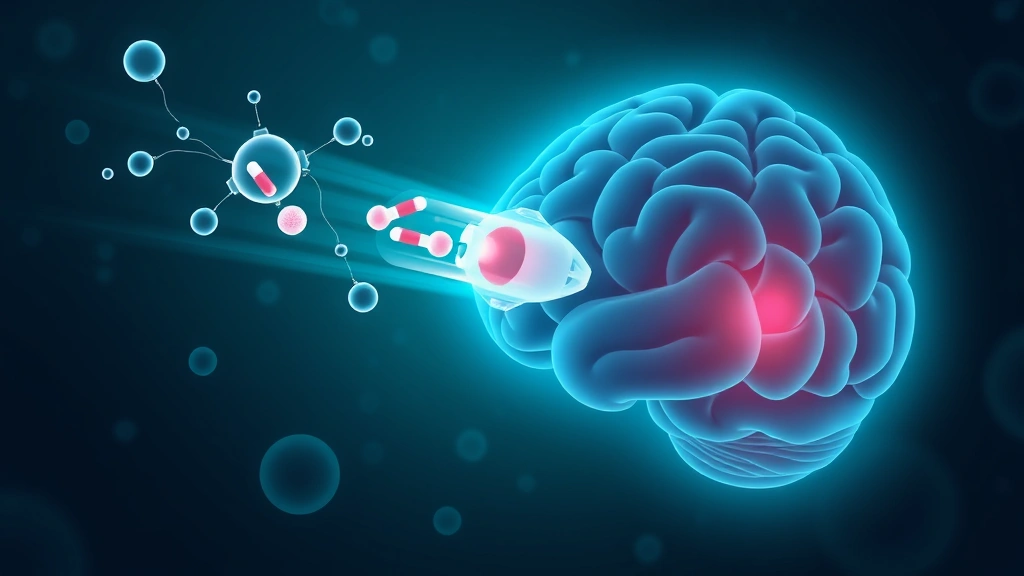
Novartis is paying $125 million to acquire technology from Sironax designed to solve one of neuroscience’s most stubborn problems: getting drugs into the brain.
The barrier problem
The blood-brain barrier is a tightly sealed layer of cells lining the brain’s blood vessels. It exists to protect the brain from toxins and pathogens — but it is indiscriminate, also blocking the vast majority of large-molecule drugs. That is a central reason so many promising treatments for neurological disease fail: the medicine works in a dish but can’t reach its target in a living brain. Small molecules can sometimes slip through, but modern antibodies, peptides, proteins and gene therapies — the most powerful tools in the modern arsenal — are generally too big to cross.
What Novartis is buying
Sironax developed “brain delivery modules” engineered to ferry therapies across the barrier. Crucially, the platform is described as able to carry multiple drug types — monoclonal antibodies, peptides, proteins, gene therapies and other large molecules — making it a versatile shuttle rather than a one-drug fix. Novartis had secured an exclusive option on the platform last summer and has now exercised it for the $125 million payment. Notably, Sironax keeps the rights to develop and commercialize select therapeutic assets it created using the technology, including three drugs already in Phase 1b/2 testing (an ALS candidate, a metabolic-disease candidate and an anti-inflammatory).
Which diseases it targets
The technology is aimed at serious neurological conditions — ALS, multiple sclerosis, neurodegeneration and neuroinflammation. Novartis’s existing neuroscience pipeline, which includes programs in MS, Alzheimer’s and neuromuscular disorders, could plug into the delivery system, potentially rescuing molecules that are effective but can’t currently reach the brain.
Why Novartis, why now
The deal comes amid recent pipeline setbacks for Novartis in neuroscience, including Phase 3 failures and discontinued programs. Buying a delivery platform is a bet that the bottleneck for many brain drugs isn’t the drug itself but getting it to the target — a problem that, if solved broadly, could unlock a whole category of therapies at once.
Why it matters — and the caveat
Brain-delivery or “shuttle” technologies are one of the most exciting frontiers in neuroscience precisely because they could turn failed or shelved drugs into viable ones. But delivery platforms must prove they cross the barrier safely and in sufficient amounts in humans, without unintended effects — and Sironax’s technology, like the broader field, still has that to demonstrate at scale. A $125 million option exercise is a meaningful vote of confidence, not a finished product. Business news, not investment or medical advice.