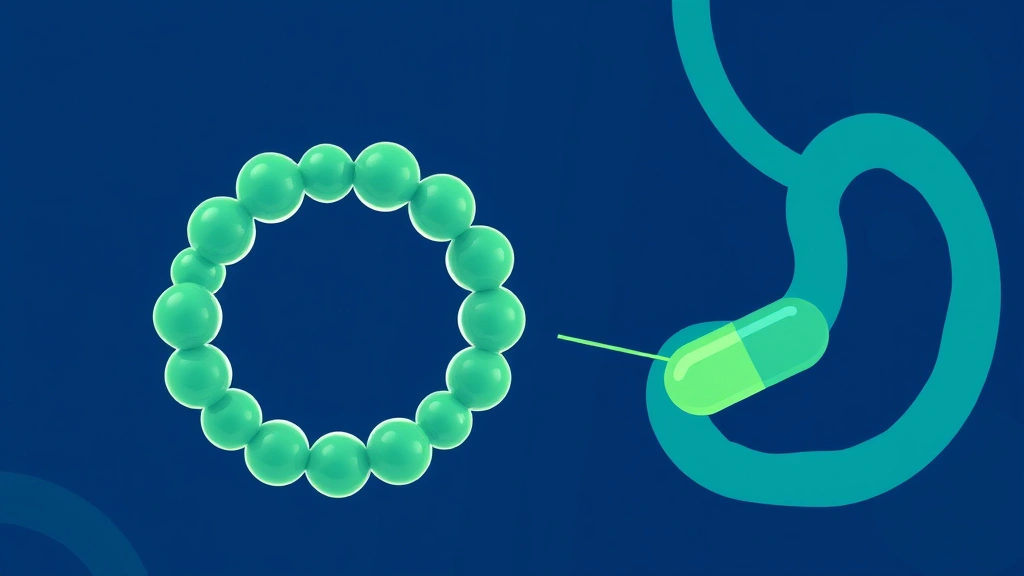
Novo Nordisk has signed an alliance worth up to $1.4 billion with Danish biotech Orbis Medicines to develop oral versions of a promising class of drugs for cardiometabolic diseases — a bet on solving one of pharma’s most valuable technical puzzles: turning peptides into pills.
Why oral peptides are the prize
The drugs that transformed obesity and diabetes care — GLP-1 medicines like Novo’s Wegovy and Ozempic — are peptides, and peptides are notoriously hard to deliver as pills. The digestive system is designed to break down proteins and peptides, so most of an oral dose is destroyed before it reaches the bloodstream. The scale of the problem is stark: Novo’s oral version of Wegovy requires roughly 20 times the injectable dose, because so much is lost in digestion. Yet a convenient daily pill would be hugely attractive — easier to take, easier to scale, and better for the adherence that determines whether treatments actually work.
What Orbis brings
Orbis specializes in macrocyclic peptides — large, ring-shaped molecules whose closed structure makes them more stable and better able to survive the gut and be absorbed, while still hitting difficult drug targets. To design them, the company uses an AI platform called nGen that models and optimizes molecules “capable of modulating challenging intra- and extracellular targets” while maintaining oral bioavailability. In other words, it’s trying to computationally engineer the best of both worlds: the potency of a peptide with the convenience of a pill.
The deal terms
Under the alliance, Orbis could receive upfront payments plus downstream milestones and sales royalties, with the total potential value reaching $1.4 billion, though specific figures weren’t disclosed. The programs target cardiometabolic diseases — the heart-and-metabolism conditions at the center of Novo’s franchise.
The strategic backdrop
The deal is part of a broader rebuild at Novo, which lost its obesity-market lead to Eli Lilly and is moving aggressively to regain ground. In recent months the company has also partnered with AI firm Anthropic and even moved to rebrand, dropping “Nordisk” from its name. Locking up next-generation oral-peptide technology is a way to protect and extend its metabolic-disease dominance as competition intensifies.
Why it matters — and the caveat
If macrocyclic peptides deliver on their promise, they could make powerful metabolic drugs available as convenient pills, expanding access and reshaping a market currently built on injections. But this is a research alliance, not a product: the science of reliably absorbing peptides orally is genuinely hard, and AI-designed molecules still have to prove themselves in real trials. The upside is large, but so is the technical risk. Business news, not investment advice.