FDA Clears the First Robotic Blood-Draw Device That Works on Its Own
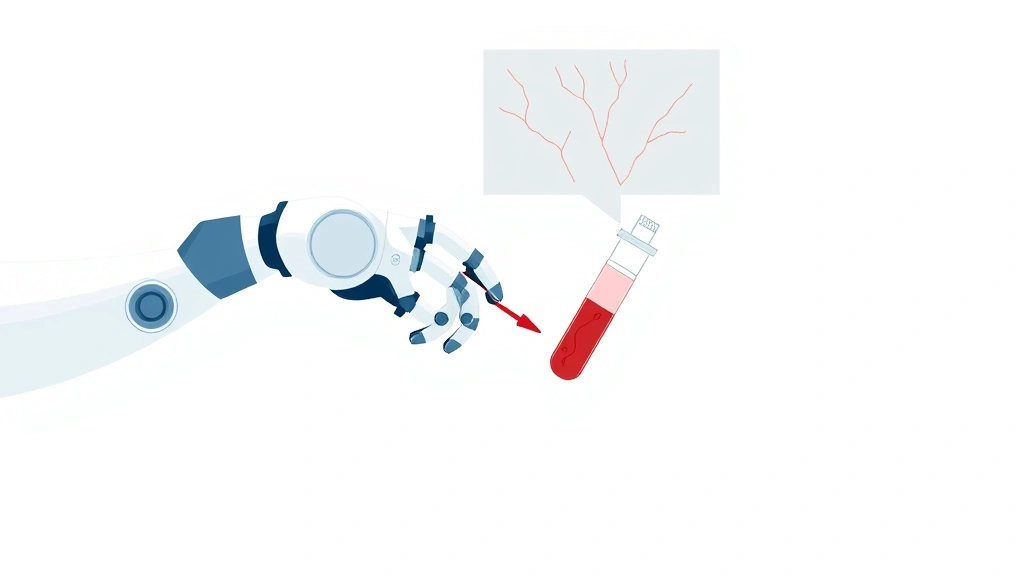
One phlebotomist can supervise three machines. The needle detaches automatically if the patient moves. Success rates were comparable to or better than trained humans.
About 900 people worldwide have a disease that turns muscle into bone. Pasatru cut new lesions by up to 90% — the second therapy ever approved for it.
One phlebotomist can supervise three machines. The needle detaches automatically if the patient moves. Success rates were comparable to or better than trained humans.
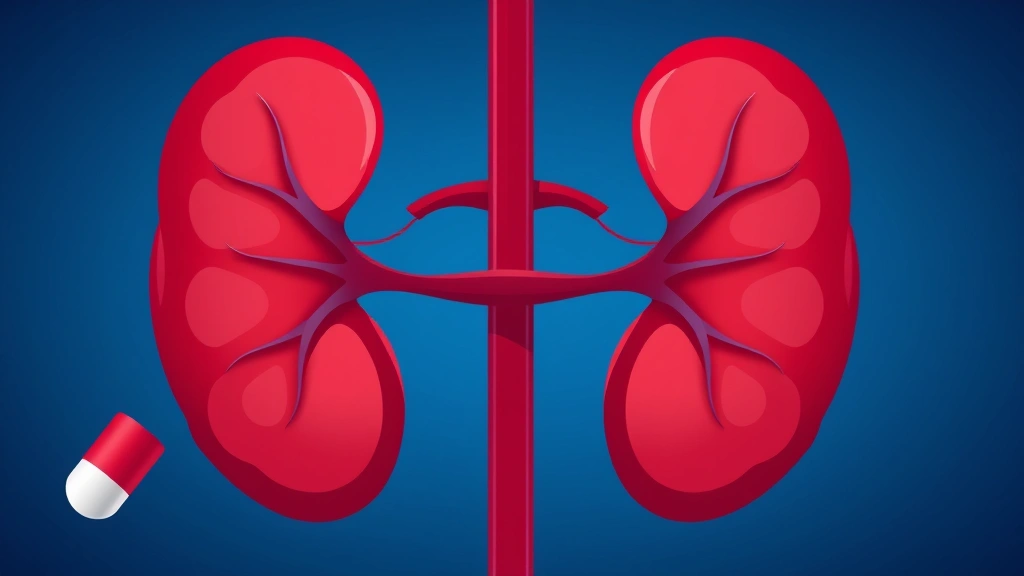
A 33% higher risk of major kidney events among patients on one blood-pressure drug class. The authors say plainly it cannot show the drugs caused it — and explain why the comparison is difficult.
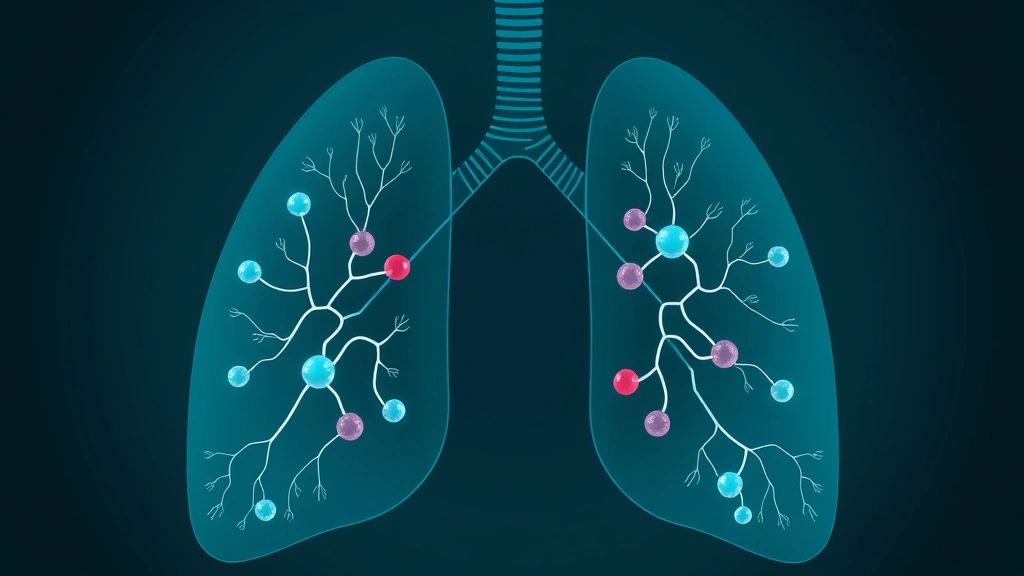
EGFR-mutant lung cancers escape targeted therapy by amplifying a second driver. SAFFRON blocked both at once — and extended survival against chemotherapy without using any.
A vaccine built individually for each patient from their own tumour’s mutations. The first randomised Phase 3 to test whether that works — and it did.
The industry is building GLP-1 agonists. Amylyx bought a GLP-1 <em>blocker</em> out of a bankruptcy for $35 million — and it just cut severe hypoglycaemia by 55%.
The PI3K/AKT/mTOR pathway is altered in up to half of solid tumours and has resisted drugging. Faeth is blocking two points along it at once, in patients who have run out of options.
Nine patients with unexplained vision loss unrelated to the disease. EyePoint says excluding them would have met the endpoint — investors reacted to the endpoint, not the post-hoc arithmetic.
A 15.4-point improvement over placebo in myositis, with patients tapering off steroids. The strong signal was in a disease affecting 20,000 people with nothing approved.
Fulcrum’s shareholders keep 5% of the combined company. That number is the whole story of what happens when a lead programme is discontinued over a cancer risk.
Let the mosquito deliver a live parasite, then stop it with a drug at the late liver stage. The immune system sees the whole organism; the patient never gets sick.
The placenta actively ferries antibodies to the fetus using one receptor — and mostly leaves albumin behind. Fusing the two exploits that difference.