GSK Posts 5% Sales Growth and Targets £1.9 Billion in Cost Cuts to Fund Its Pipeline
Strong specialty-medicine sales lifted GSK's second quarter as the drugmaker doubles down on oncology — and braces for looming HIV patent losses.
The all-stock deal, paired with a $200 million raise, hands Processa a once-daily, brain-penetrating BTK inhibitor targeting food allergy, chronic urticaria and multiple sclerosis.
Strong specialty-medicine sales lifted GSK's second quarter as the drugmaker doubles down on oncology — and braces for looming HIV patent losses.
As GLP-1 drugs go from niche to blockbuster, the industry is scrambling for the specialized manufacturing skills needed to keep up with demand.
Altimmune's pemvidutide reduced heavy-drinking days more than placebo in a Phase 2 study — early evidence that GLP-1-class drugs may curb more than appetite.
The deal feeds full-text biomedical research to an AI used by a dozen of the world's top 20 drugmakers — the latest sign of AI reshaping how drugs are found.
New data add to the case that simpler two-drug therapy works as well as the standard three-drug combination for people starting HIV treatment.
The deal would resolve about 69,000 claims linking the company's talc baby powder to ovarian cancer — even as J&J maintains its products are safe.
Otsuka's centanafadine is the first ADHD medicine to block reuptake of all three key neurotransmitters — a new mechanism for adults and children 6 and up.
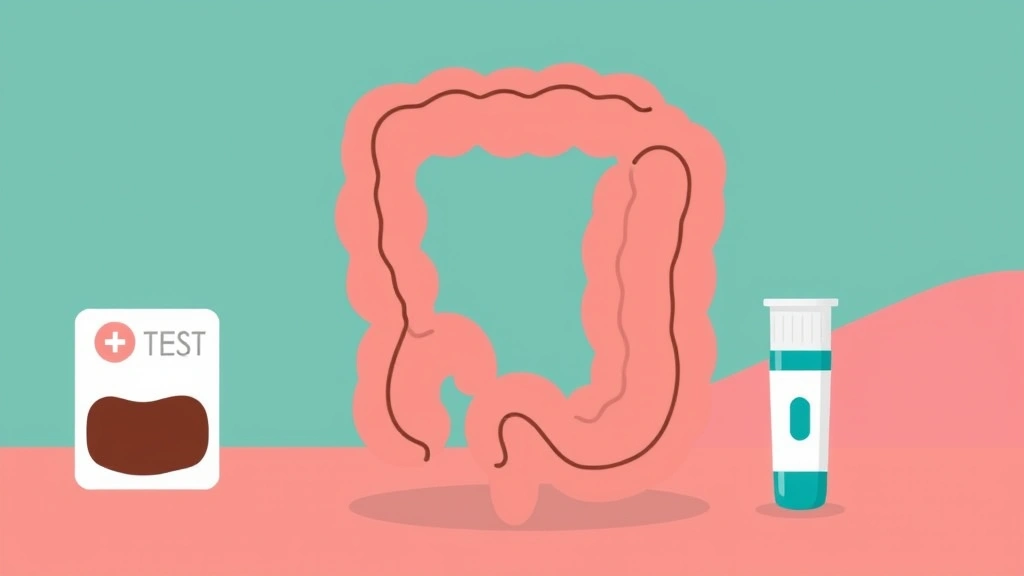
Freenome's SimpleScreen offers a needle-in-arm alternative to stool tests and colonoscopy — but its blind spot for precancerous growths means it's no replacement for a scope.
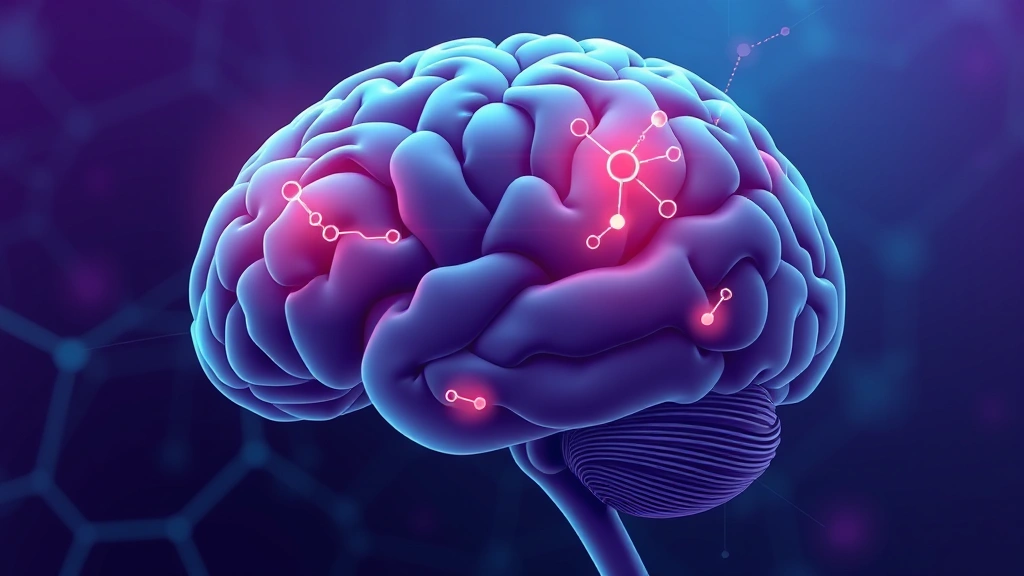
A Cambridge study explains an obesity-drug paradox — the GIPR receptor does opposite jobs in different brain regions, so agonists and antagonists both work.
By re-lengthening a shortened RNA, scientists restored the molecular flag that lets immune cells see prostate tumors — turning on checkpoint therapy that usually fails.
Studying human brains — including healthy centenarians — scientists found a moment when microglia switch from helpful to harmful, shaping Alzheimer's outcomes.