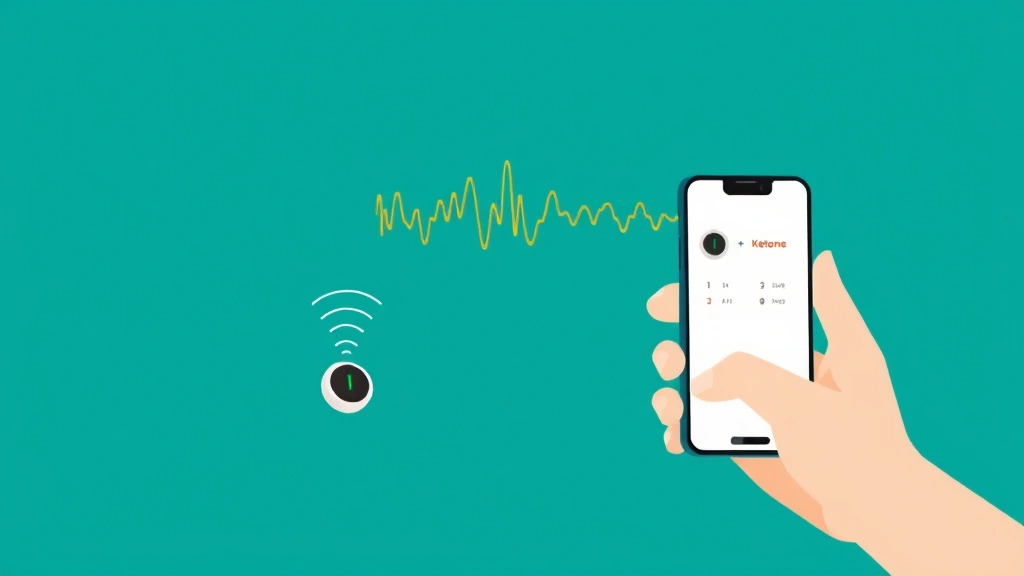
The FDA has authorised Abbott’s Libre Duo — the first wearable in the US to continuously monitor ketones, and the first anywhere to track both ketones and blood sugar in a single device.
Announced August 25, 2026, it is cleared for people aged 2 and older with diabetes. A small skin-worn sensor measures glucose and ketone levels in the fluid just under the skin every minute over a 10-day wear period, sending readings wirelessly to a compatible smartphone.
What ketones signal
Ketones are produced when the body burns fat for fuel. In small amounts that is normal — during fasting, prolonged exercise or a low-carbohydrate diet.
In diabetes the picture is different. When insulin is insufficient, cells cannot take up glucose regardless of how much is circulating, so the body switches to burning fat and ketones accumulate. Because they are acidic, high concentrations drive blood pH down — producing diabetic ketoacidosis (DKA), a life-threatening emergency involving dehydration, electrolyte disturbance, vomiting, confusion and, untreated, coma and death.
DKA remains a leading cause of hospitalisation and death in type 1 diabetes, and it develops over hours rather than days.
Why glucose alone is not enough warning
This is the gap the device addresses, and it is not obvious.
DKA usually accompanies high blood glucose, so a continuous glucose monitor provides some warning. But the relationship is unreliable in both directions. Ketones can rise before glucose becomes alarming, particularly during illness, when insulin requirements increase sharply.
More importantly, DKA can occur with near-normal glucose — a recognised presentation associated with certain diabetes medications, with illness, and with pregnancy. In those cases a glucose monitor shows nothing wrong while the patient deteriorates, and the diagnosis is frequently delayed precisely because the number everyone watches looks acceptable.
How ketones have been measured until now
Ketone testing has required separate finger-stick or blood tests, using a distinct meter and strips from glucose monitoring.
That creates a practical problem. Testing happens only when someone thinks to test, which requires recognising they might be at risk — while early DKA symptoms of nausea, fatigue and abdominal discomfort resemble ordinary illness. Strips are also frequently expired or absent when needed, because they are used rarely.
The result is a test that works well and is often not performed at the moment it matters.
What continuous monitoring changes
Libre Duo can send automatic alerts when ketones approach a concerning threshold, potentially allowing patients and caregivers to act before DKA develops.
The shift is from a test someone must decide to perform to a measurement that happens continuously and raises an alarm on its own. For a complication that develops over hours and whose early symptoms are easily dismissed, removing the requirement for the patient to suspect the problem first is the substantive change.
Early ketone elevation is also manageable at home — with additional insulin, fluids and carbohydrate as appropriate — whereas established DKA requires intravenous treatment in hospital. Catching the trajectory early is the difference between an adjustment and an admission.
The evidence
Authorisation was supported by six clinical studies enrolling more than 600 participants, evaluating the accuracy of both the glucose and ketone functions.
Accuracy is the right focus for a monitoring device, and the ketone measurement is the novel element. Measuring ketones in interstitial fluid rather than blood is a technical achievement, and how faithfully those readings track blood levels — particularly at the thresholds triggering action — determines whether the alerts are useful or a source of false alarms.
Who benefits most
Clearance from age 2 matters. Young children with type 1 diabetes are at particular DKA risk: they cannot articulate early symptoms reliably, their illness-related insulin needs change rapidly, and caregivers must interpret vague signs.
People using insulin pumps are another group with heightened exposure, since a pump delivering only rapid-acting insulin means an interruption — a kinked cannula, a failed site — can produce ketones within hours with no long-acting insulin as backstop.
What it does not solve
An alert is only useful if the person receiving it knows what to do. Effective use requires education about interpreting ketone readings and adjusting insulin — knowledge many people with diabetes have not been given in detail, because ketone testing has been peripheral to routine care.
Interstitial fluid is not blood, and the lag matters
One technical caveat runs through all continuous monitoring worn on the skin, and it applies to the ketone measurement as much as to glucose.
These sensors measure the fluid between cells just under the skin rather than blood itself. Concentrations there track blood levels closely but not instantly — molecules must diffuse out of capillaries into the surrounding tissue, which introduces a delay of several minutes and a larger discrepancy when levels are changing rapidly.
Glucose monitoring users learn to account for this, and the same applies here. During a rapidly developing episode, a sensor reading may understate what is actually happening in the blood, and the direction of travel matters as much as the number. That is an argument for acting on rising trends rather than waiting for a threshold to be crossed — and a reason clinicians will still confirm concerning readings with a blood test before major decisions.
Cost and coverage will also determine reach, as they have throughout continuous glucose monitoring’s adoption. Regulatory and device news, not medical advice.