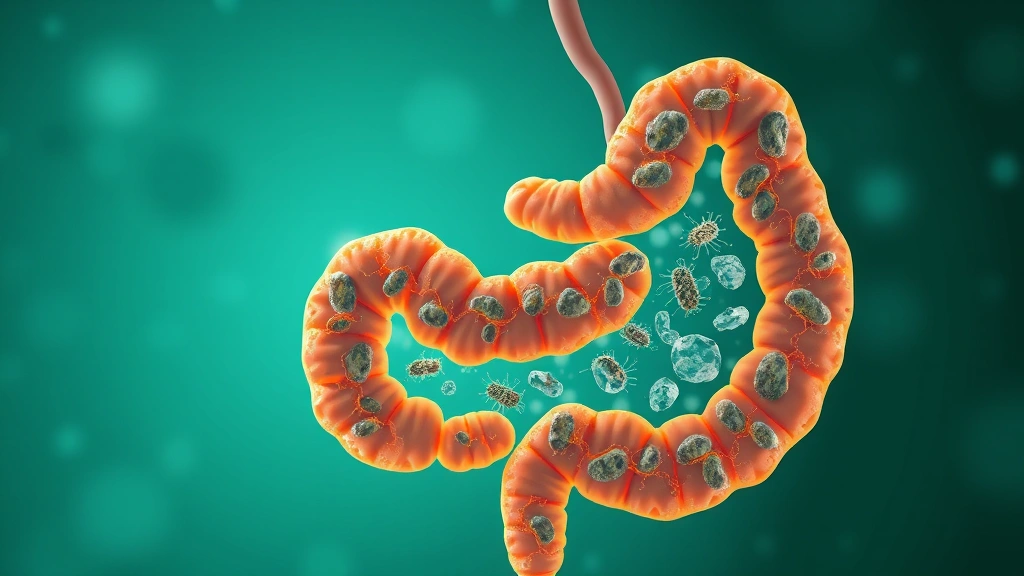
For decades, paediatric medicine has held a comfortable position on Clostridioides difficile in infants: they carry it, they do not get sick from it, and it does not matter. Between 40% and 90% of infants in industrialised countries are colonised without obvious illness. Research from Children’s Hospital of Philadelphia published in Science on September 4, 2026 challenges that assumption directly.
The paper, Early-life colonization with Clostridioides difficile remodels the developing gut, comes from the labs of Joseph Zackular, PhD, co-director of CHOP’s Center for Microbial Medicine, and Kathryn Hamilton, PhD, co-director of its Gastrointestinal Epithelium Modeling programme.
Why C. diff was assumed harmless in babies
In adults, C. difficile is a serious pathogen — typically striking after antibiotics have cleared competing gut bacteria, and causing severe, sometimes fatal colitis through the toxins it produces.
Infants are different. They carry the organism at high rates and generally show no symptoms, and the standard explanation has been that immature intestinal cells lack mature receptors for the toxins. Because the babies were not visibly ill, the reasonable clinical conclusion was that nothing was happening. Guidelines generally discourage even testing infants for C. difficile, on the grounds that a positive result reflects colonisation rather than disease.
Zackular put the challenge plainly: for decades colonisation in infants “has been assumed to be harmless” — but does “asymptomatic really mean inconsequential?”
What the study found
Using a neonatal mouse model in otherwise healthy animals, the researchers found that C. difficile colonisation drove proinflammatory and tissue-repair responses in the intestinal epithelium and reshaped the mucosal immune system.
At the cellular level, the bacterium enriched populations of injury-associated intestinal stem cells and altered their differentiation trajectory toward secretory lineages. That phrasing matters: the gut lining is continuously regenerated from stem cells, and shifting which cell types those stem cells produce changes the tissue itself rather than merely irritating it.
These alterations persisted into adulthood. And colonised animals showed increased susceptibility to certain viral infections later in life — a functional consequence, not just a change visible under a microscope.
Why the timing is the whole story
“The infant gut epithelium is still building itself, so C. diff doesn’t just injure it; it can alter the developmental trajectory,” Hamilton explained.
This is the conceptual heart of the paper. An adult intestine that sustains damage repairs back toward its previous state. An infant intestine is not returning to a baseline — it is still establishing one. Perturbation during that window does not heal and resolve; it becomes part of how the tissue is built.
The same logic underlies a broader shift in thinking about early-life microbial exposure, where antibiotic use, delivery mode and feeding in the first months have been linked to outcomes appearing years later.
The finding was confirmed in humans
This is what elevates the study above a mouse result. The epithelial changes were verified in biopsies from human infants, establishing that the phenomenon is not an artefact of the animal model.
The human data covers the tissue changes rather than the long-term consequences — no one has followed a cohort of colonised infants into adulthood to check viral susceptibility. But it removes the most obvious objection.
A possible intervention
The team also tested prevention, with encouraging results. Maternal vaccination with a C. difficile-targeted mRNA-lipid nanoparticle vaccine protected newborns from the toxin-mediated developmental damage. Separately, colonisation with a nontoxigenic strain — one lacking the toxin genes — also prevented the harmful effects.
Maternal immunisation is an established strategy rather than a speculative one: vaccinating during pregnancy to protect a newborn through transferred antibodies is how protection against RSV and pertussis is already delivered in infancy.
The nontoxigenic strain result is scientifically the more informative of the two, because it isolates the mechanism. If a strain without toxin genes causes no developmental disruption, the damage is attributable to the toxins specifically — not to the bacterium’s presence, and not to a general effect on the microbiome.
The scale of the question
What makes this more than an interesting mechanism is the arithmetic. If 40–90% of infants in industrialised countries are colonised, then any lasting developmental effect is not a rare-disease problem — it is a population-level exposure, and one that has never been counted as an exposure at all.
That is also what makes it hard to study in people. There is no unexposed comparison group of any size in wealthy countries, and the outcomes in question — susceptibility to infection, immune development, gut disorders appearing later — are multifactorial and separated from the exposure by years. Establishing a human causal link would require long prospective cohorts with early colonisation status recorded, which do not currently exist at the necessary scale.
A maternal vaccine, if pursued, would face a correspondingly demanding bar. Vaccinating pregnant women against an organism their infants carry without symptoms means asking healthy people to accept an intervention for a benefit measured years later in someone else — a much harder case to make than protecting against RSV or pertussis, where the threatened harm is immediate and visible.
What should not be concluded
This does not mean infants carrying C. difficile should be tested for it or treated with antibiotics. Antibiotics disrupt the developing microbiome in their own right, and the study offers no evidence that eradication in a colonised infant would help — the changes it describes occur during colonisation, and treating after the fact may address nothing while causing harm.
The mouse work also used controlled colonisation in otherwise healthy animals, which is cleaner than the reality of a human infant gut with many organisms interacting.
What the study does is reframe a passive assumption as an open question and identify a preventive route worth testing. That is a meaningful shift for something affecting a large majority of infants in wealthy countries. Research news, not medical advice.